
Dr. Marguerite Gorter-Stam’s WishMaker Story
- Surgeon, subspecialty in oncology and pediatrics; pediatric palliative care specialist (HMS)
- Member of the Make‑A‑Wish International Medical Advisory Committee
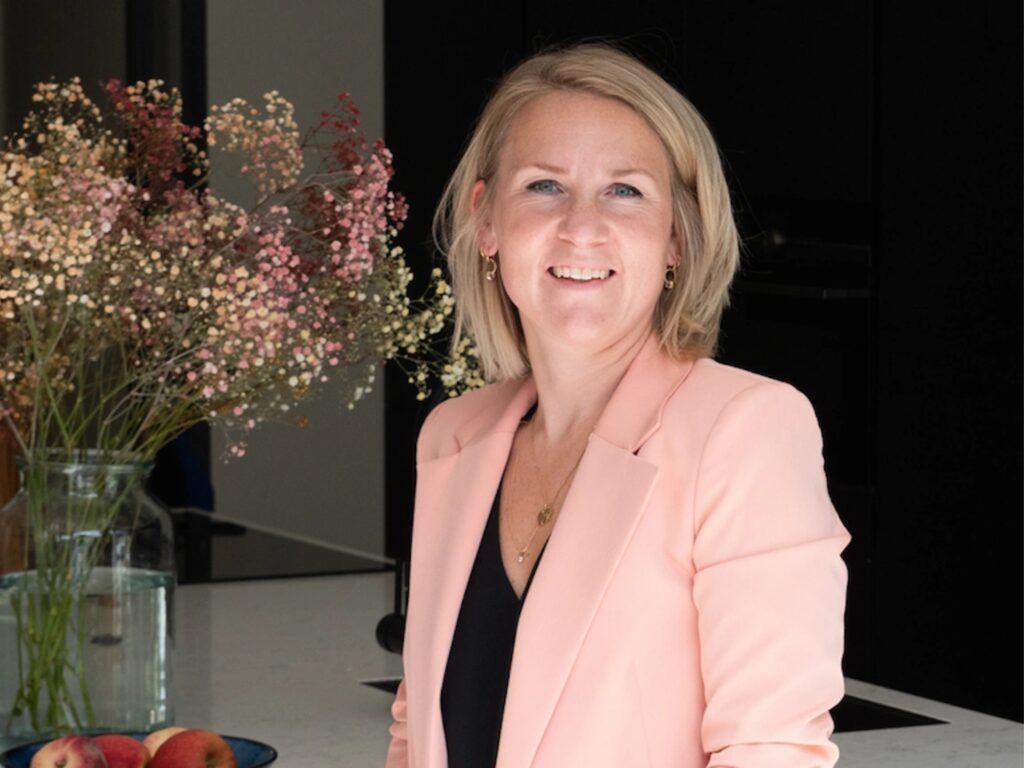
As a surgeon and pediatric palliative care specialist, Dr. Marguerite Gorter‑Stam has dedicated her career to caring for children with critical illnesses. As a member of the Make‑A‑Wish International Medical Advisory Committee, she brings both clinical expertise and deep personal conviction to her role as a WishMaker. In this conversation, she shares why wishes matter so profoundly, how research is strengthening the evidence behind their impact, and her hopes for the future of Make‑A‑Wish.
Why do you think wishes are so important to the children you work with?
On a personal level, seeing a child experience their wish brings me a great deal of joy, but what truly matters is the resilience it gives the child – and you can see it. Children who have experienced a wish come into the clinic with their shoulders back and their heads held high. There is a visible difference. As doctors, we do everything we can to ensure children are seen and heard while treating their disease, but we cannot make children feel seen and heard in the same way that Make‑A‑Wish does – and that is of the utmost importance. We also know from the scientific literature that when we take good care of a child’s emotional well‑being, symptoms such as fatigue and pain can be alleviated. In many cases, less medication is needed. This is something I want to explore further within the Make‑A‑Wish community, but the impact is already clear. In palliative care, which is my own field, we distinguish between signs and symptoms. A sign is what a doctor sees; a symptom is that sign experienced across all dimensions – social, psychological, and physical. If you truly want to treat a child, you must address all of those domains. Children who are eligible for a wish need this support and deserve it. It is not something I can prescribe as medication, so I reach out to those who can help – and that is Make‑A‑Wish.
How did you get involved with Make‑A‑Wish International?
I was working with Make‑A‑Wish Netherlands when I first learned about Make‑A‑Wish International’s Theory of Change research results. What stood out immediately was how consistently positive the outcomes were for children and their families. The research looked at joy and happiness, inclusion and social well‑being, broadening children’s horizons, respite and distraction, family bonding, strengthening individual well‑being, and self‑efficacy. Across all of these areas, the results were positive for both children and their parents. I then began working closely with the international Medical Advisory Committee and the research team to write a scientific article, which was published in Children in January 2025. By presenting the findings in a scientific format, we hoped to extend the reach of this message even further – particularly the importance of positive psychology for children with critical illnesses and the role we can play in supporting it.
What are your wishes for the future of Make‑A‑Wish?
First and foremost, I hope that every child who is eligible for a wish, anywhere in the world, is reached. I also hope the research continues to grow, helping to raise awareness and strengthen the evidence base, so that I can continue supporting Make‑A‑Wish in achieving that goal.